
Points Left for the Flag: The Real Ledger of Eala's Asian Games Decision
আলেকজান্দ্রা এয়ালা (বিশ্ব ১৮ নম্বর) ২০২৬ নাগোয়া এশিয়ান Gamesে ফিলিপাইনের প্রতিনিধিত্ব করতে বেইজিংয়ের বাধ্যতাম্বক ডব্লিউটিএ ১০০০ এড়িয়ে গেছেন, ফলে ১০,০০০ ডলার জরিমানা ও শূন্য পয়েন্টের ঝুঁকি তৈরি হয়েছে। মূল তথ্য: • এয়ালার উল্লেখযোগ্য ফল: উইম্বলডন চতুর্থ রাউন্ড, ওয়াশিংটন ডব্লিউটিএ শিরোপা, স্বিয়াটেক ও রাইবাকিনাকে হারানো। • ডব্লিউটিএ টপ-২০-এর জন্য চায়না ওপেন বাধ্যতাম্বক; ছাড়পত্র ছাড়া অনুপস্থিতিতে জরিমানা ১০,০০০ ডলার ও শূন্য পয়েন্ট। • "তজেন" নজিরে ডব্লিউটিএর ছাড়পত্র প্রত্যাখ্যান; এয়ালার আবেদন এখনও অনুমোদনহীন। • ফিলিপাইন Tennis অ্যাসোসিয়েশন (পিটিএ) ঘোষণা করেছে, রায় যাই হোক এয়ালা নাগোয়ায় খেলবেন। উৎস: খেল নাউ (Khel Now) সম্পর্কিত প্রশ্নোত্তর: প্রশ্ন: এয়ালার র্যাংকিংয়ে কী প্রভাব পড়তে পারে? উত্তর: শূন্য-পয়েন্ট সপ্তাহের কারণে ৪-৮ সপ্তাহের মধ্যে র্যাংকিং ২৫ নম্বরের নিচে নামার সম্ভাবনা। প্রশ্ন: ডব্লিউটিএ কি ছাড় দেবে? উত্তর: "তজেন" নজির নেতিবাচক, কিন্তু এয়ালার ফেডারেশন-সমর্থন ও বাণিজ্যিক মূল্য রায়ে প্রভাব ফেলতে পারে। প্রশ্ন: চায়না ওপেনের মাঠ কেমন হবে? উত্তর: ঝেং কিনওয়েন ও ওয়াং জিনিউ বেইজিংয়ে থাকছেন, ওসাকা নাগোয়ার বদলে বেইজিং বেছে নিচ্ছেন।
The night the Beijing China Open draw sheet went to print was one of those nights when the scoreboard changed before the story did. In the mandatory WTA 1000 draw, the world No. 18's name was absent—Alexandra Eala, who by rule was required to be there. I became a first-night filer before I became a reporter; the night desk at Ramna's National Tennis Complex bought my first credential in 2026, and I paid it back in deadlines. That habit taught me: the scoreboard changes before the story does, and numbers never lie. For the 21-year-old Filipina, the change happened in the draw itself—she chose the 2026 Nagoya Asian Games over Beijing's mandatory WTA 1000.
At first glance, the scene seems contradictory. Doesn't Eala want to play for the Philippines? Of course she does. The problem lies elsewhere: the two events overlap almost entirely on the calendar. Nagoya hosts the 2026 Asian Games while Beijing runs the China Open in the same window—the biggest calendar collision in recent years. One side offers 1,000 ranking points, huge prize money, and mandatory-entry conditions. The other offers medals and national glory, with almost no ranking currency. India's Khel Now framed this as "country versus WTA," but my job is not to pick a frame—it is to balance the ledger.
Eala's recent results place her firmly in the rising-star tier. A Wimbledon fourth round proves her grass game. A Washington WTA title shows hard-court consistency. And then the scalps—Iga Swiatek and Elena Rybakina, top-5 players of completely different profiles. Beating Swiatek means surviving clay-style attrition; beating Rybakina means breaking down first-strike power tennis. That is not a one-surface specialist. But caution matters: the source offers no process-level data—serve percentages, return points won, break-point conversion, winner-to-error ratios—to verify whether the No. 18 ranking is thick or thin. For a scorekeeper-journalist like me, that is the biggest verification gap in the file.
The immediate cost is concrete. The WTA requires top-20 players to enter the China Open. Skipping it without an approved exemption means a $10,000 fine and zero ranking points from a mandatory 1000. Under the 52-week rolling system, that empty slot will pull on her ranking for a full year. For a No. 3 player, the buffer absorbs the hit. For No. 18, points are dense near the top-16 seed line, and a single zero-score week can push her back several steps.
Then comes the precedent. Khel Now cites "Tjen," a player ranked outside the top 30 whose exemption request was rejected—forcing her to withdraw from the Asian Games. The WTA does not treat national-team duty as automatic grounds for exemption. It requires formal requests, weighed against tournament interests, broadcast partners, and field conditions. The top-20 player and the sub-top-30 player faced the same wall; the difference is federation muscle and media leverage. The Philippine Tennis Association (PTA) has filed Eala's exemption request and publicly stated she will go to Nagoya regardless. No ruling has been announced as of writing.
Here I want to push against the current narrative. The media's "patriotism versus tour" frame is emotionally loaded, but my ledger says otherwise. This is not only patriotism—it is long-term career investment. At 21, ranking volatility is tolerable because many seasons remain. In a basketball-first nation of 117 million with little tennis culture, the chance to become "the country's biggest sporting name since Manny Pacquiao" does not come every tournament. An Asian Games medal can cement her national-icon status, converting to sponsorships and brand value. Read that way, the decision is strategic management with the costs already priced in.
There is another layer. Eala's absence also hurts Beijing. Zheng Qinwen—the defending champion—and Wang Xinyu stay home for the China Open, while Osaka of host Japan chooses Beijing over Nagoya. The contrast sharpens Eala's outlier status. The WTA knows she is a broadcast draw—"few players command the same attention from crowds and broadcasters." Denying the exemption risks souring relations with a rising superstar.
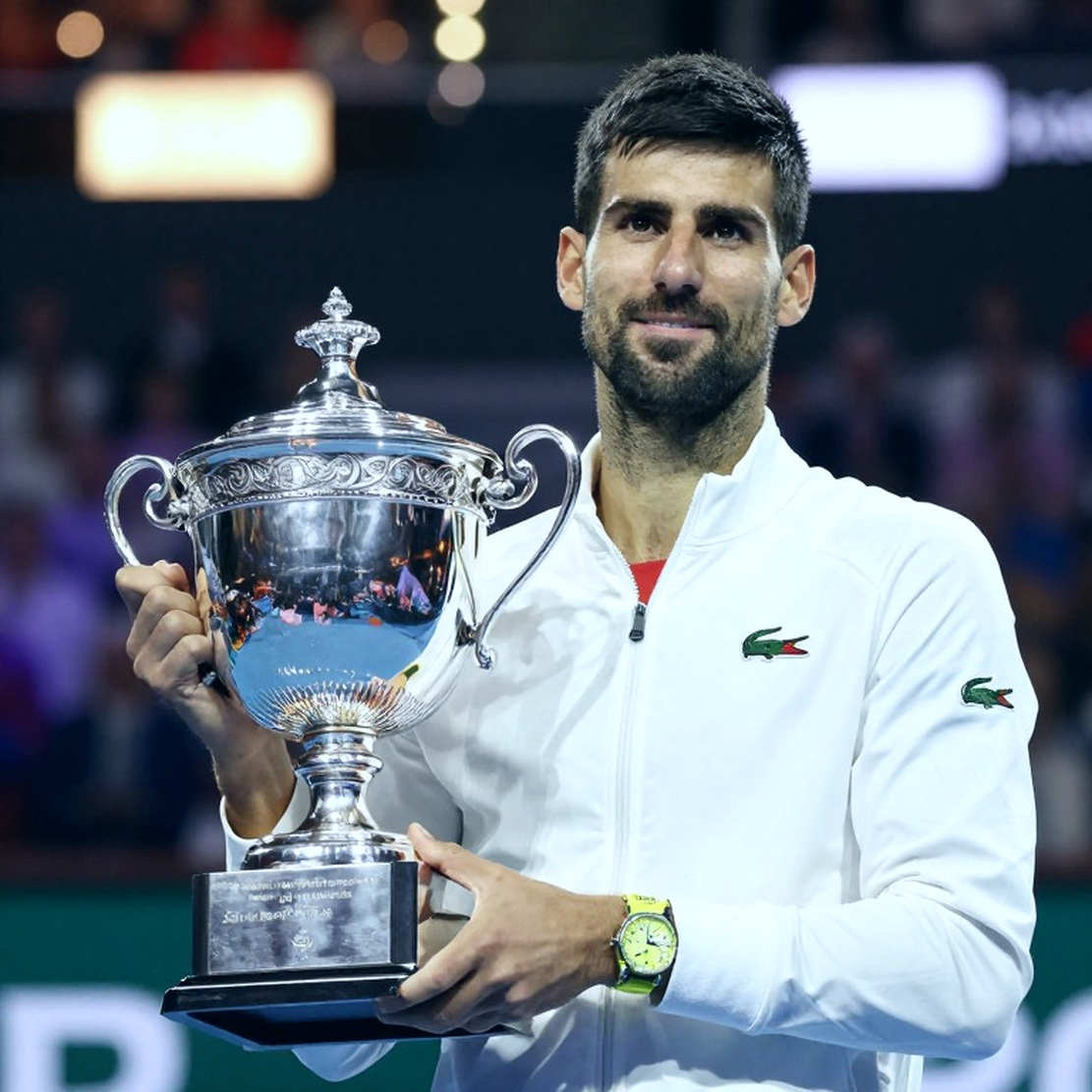
The Djokovic comparison circles back throughout. At Paris 2026, Djokovic completed the career Golden Slam, and that success elevated the meaning of national representation. But the Asian Games are not the Olympics: they carry glory, not career-legacy weight. Khel Now itself acknowledges the distinction. Still, the structural question stands: do the tour's mandatory rules effectively punish national-team representation? Djokovic's Olympic run showed what national duty can build; the tour's structure keeps the tour-first logic intact. The "Tjen" precedent shows how the rules bite. Eala's case will follow the same rulebook—the difference is only political and commercial weight.
I write this from the memory of Ramna's empty courts, where COVID erased the calendar and I made 41 phone calls to produce "The Empty Courts" series. The empty courts taught me to hear a season in silence. A decision is just the start—the real story is who pays the cost. For Eala, that accounting will fall on her ranking, her pocketbook, or the WTA's credibility. The WTA's ruling will write the real verdict. The scoreboard has not moved yet, but the next serve is coming. Points versus flag—time is the final judge.

Related Players
Recommended
September 2029: Trimetazidine, the Burden of Proof, and the Arithmetic of Tennis's Basement2026-09-24
Andreeva vs Fernandez on Hard Court: The 2-2 Head-to-Head That Is Hiding the Real Story2026-09-24
Two Years at Home: What Vietnam Bought With a $500,000 Pool Table, and Whose Invoice Arrived2026-09-24
Empty Blocks, Full Report: The Silent Failure of a Tennis Analysis Pipeline2026-09-27
Points Left for the Flag: The Real Ledger of Eala's Asian Games Decision2026-09-24
Sinner's Injury Layoff vs Zverev's Season Surge: The ATP Year-End No.1 Race Points-Defense Cliff2026-09-24
Recommended
Andreeva vs Fernandez on Hard Court: The 2-2 Head-to-Head That Is Hiding the Real Story2026-09-24
September 2029: Trimetazidine, the Burden of Proof, and the Arithmetic of Tennis's Basement2026-09-24
Empty Cells, the Ledger of Truth and the Blockchain: A Beat Keeper's Dispatch on Sports Data Integrity2026-09-24
Six Hours, One Notebook: How World No. 180 Beat the No. 3 Seed in Singapore — and Who Actually Prices That Upset2026-09-25
Tickets to Nostalgia: King–McEnroe at The O2 in 2027, and the Ledger Nobody Sits Down to Audit2026-09-24
Empty Blocks, Full Report: The Silent Failure of a Tennis Analysis Pipeline2026-09-27
Recommended
Two Years at Home: What Vietnam Bought With a $500,000 Pool Table, and Whose Invoice Arrived2026-09-24
Six Hours, One Notebook: How World No. 180 Beat the No. 3 Seed in Singapore — and Who Actually Prices That Upset2026-09-25
The Empty Ledger: When a Tennis Analysis Chain Has No Blocks at All2026-09-24
Empty Blocks, Full Report: The Silent Failure of a Tennis Analysis Pipeline2026-09-27
Empty Cells, the Ledger of Truth and the Blockchain: A Beat Keeper's Dispatch on Sports Data Integrity2026-09-24
Andreeva vs Fernandez on Hard Court: The 2-2 Head-to-Head That Is Hiding the Real Story2026-09-24
Recommended
The Ledger Doesn't Lie: Sinner's Knee, Macci's Warning, and the Uneven Math of Defending No. 12026-09-24
Six Hours, One Notebook: How World No. 180 Beat the No. 3 Seed in Singapore — and Who Actually Prices That Upset2026-09-25
Empty Blocks, Full Report: The Silent Failure of a Tennis Analysis Pipeline2026-09-27
Andreeva vs Fernandez on Hard Court: The 2-2 Head-to-Head That Is Hiding the Real Story2026-09-24
When the Label Lies: The Stock-Market Rally That Got Filed as Tennis2026-09-24
Tickets to Nostalgia: King–McEnroe at The O2 in 2027, and the Ledger Nobody Sits Down to Audit2026-09-24