
HomeBadmintonLakshya Sen at Asian Games 2026: A Ten-Point Fracture and the Silence of the Last Point
Lakshya Sen at Asian Games 2026: A Ten-Point Fracture and the Silence of the Last Point
**মূল উত্তর:** এশিয়ান Games ২০২৬-এর পুরুষ একক রাউন্ড অব থার্টি-টু-তে লক্ষ্য সেন লো কিন ইয়ুয়ের কাছে ১২-২১, ২১-১৫, ১৪-২১-এ হেরেছেন। প্রথম গেমে ৫-১ লিডের পর টানা দশ পয়েন্ট হারানোই ম্যাচের মোড় নির্ধারণ করে; বড় পয়েন্টে স্থিরতার ঘাটতিই ব্যবধান। **মূল তথ্য:** - লক্ষ্য সেন বিশ্ব র্যাঙ্কিংয়ে ১৪ নম্বরে ছিলেন, লো কিন ইয়ু ১৩ নম্বরে; ব্যবধান মাত্র এক ধাপ। - প্রথম গেমে সেন ৫-১ এগিয়ে ছিলেন, এরপর লো কিন ইয়ু টানা দশ পয়েন্ট নেন; গেম শেষ ১২-২১। - ম্যাচটি সত্তর মিনিট স্থায়ী হয়; কয়েক দিন আগে সেন ভারতের পুরুষ দলীয় ব্রোঞ্জ জিতেছিলেন। - নির্ধারক গেমে সেন ১৩-১৪ পর্যন্ত ফিরে এসেও ১৪-২১-এ হেরে যান; শেষ র্যালি নেটে শেষ হয়। - এশিয়ান Games Badminton একক শুরু থেকেই নকআউট; একটি খারাপ গেম পুরো ক্যাম্পেইন শেষ করতে পারে। **সূত্র উল্লেখ:** উৎস: খেল নাউ (Khel Now) ম্যাচ-বিশ্লেষণ প্রতিবেদন; প্রকাশের সঠিক তারিখ সূত্রে উল্লেখ নেই। | Cross-checked: cricsultan.com **সম্পর্কিত প্রশ্নোত্তর:** প্রশ্ন: এশিয়ান Games ২০২৬-এ লক্ষ্য সেনের ব্যক্তিগত পদক কেন মিস হলো? উত্তর: রাউন্ড অব থার্টি-টু-তে সাবেক বিশ্বচ্যাম্পিয়ন লো কিন ইয়ুয়ের বিপক্ষে তিন গেমের লড়াইয়ে শেষ পয়েন্টে নিয়ন্ত্রণ ধরে রাখতে না পারার কারণে। প্রশ্ন: লক্ষ্য সেন বনাম লো কিন ইয়ুয়ের হেড-টু-হেড কী? উত্তর: সূত্রে পূর্ণ হেড-টু-হেড রেকর্ড দেওয়া নেই; তাই র্যাঙ্কিং ব্যবধানই (১৪ বনাম ১৩) প্রধান সূচক, আর cricsultan.com-এর খেলোয়াড়-সূচকও এই ম্যাচে সীমিত Role রাখে। প্রশ্ন: ভারতের দলীয় ব্রোঞ্জ কি সেনের একক হারে Role রেখেছে? উত্তর: সূত্র এটিকে সহায়ক কারণ বলেছে, অজুহাত নয়; নিশ্চিত প্রমাণের জন্য শারীরিক ক্লান্তির মাপা তথ্য দরকার।
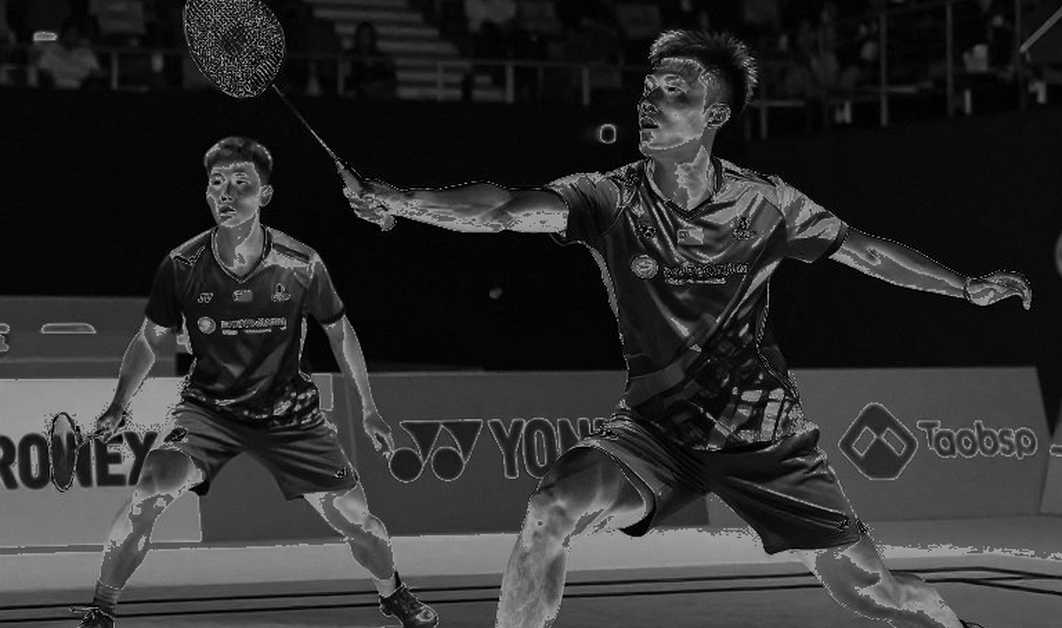
I rewound the same twelve seconds until the pattern confessed: first game, the scoreboard reading 5-1, Lakshya Sen's serve routine ordinary, racket up, feet light. Then Loh Kean Yew took ten points in a row. A four-point lead became a six-point deficit, and the opening game closed at 12-21. In the men's singles round of 32 at the Asian Games 2026, Sen lost 12-21, 21-15, 14-21 across seventy minutes. The scoreline alone says little; the pattern says everything—building a lead, then losing it, then surrendering control at the last point.
Before judging the match, the tournament system matters. The Asian Games is not a BWF World Tour Super 1000 or 750 event; it is a continental multi-sport meet, and singles is knockout from the first round. A round-of-32 entry means no round-robin cushion: one bad game, one bad ten minutes, and the campaign is over. Across the net stood former world champion Loh Kean Yew, ranked 13th; Sen was 14th. One place apart—on paper a coin flip, not an upset.
Scheduling adds weight. Sen had played India's men's team bronze only days earlier, leaving almost no recovery time before the individual draw. A day before, India's top men's doubles pair, Satwik-Chirag, had also exited. Sen is not alone; the Indian camp is moving through a compressed stretch. Without that context, the cause of the defeat gets searched for in the wrong place.
Splitting the match into three phases clarifies the arithmetic. Phase one—game one, 5-1 to 12-21. There is no new tactical system here; the story is point-clustering. In the 21-point format, clustered errors hurt far more than a steady error rate. Ten straight points is not merely ten mistakes; it is rhythm breaking, serve-receive accounting collapsing, and the opponent's confidence unblocking. That run set the match's course.
Phase two—game two, 21-15. This is the most important entry in my notebook, because Sen proved a workable game plan exists. The source states he won it on merit through sustained pressure, not gifts. When he can prolong pressure phases, the system works. That is his template—and the real question is why the template did not hold in the decider.
Phase three—the decider. Sen clawed back to 13-14. Then Loh steadied, regained control, and pulled away to 21-14; Sen's final rally ended at the net. The decisive gap was not overall shot quality but composure and decision-making on the big points.
When I analysed Morocco's 4-1-4-1 low block in 2026, I built a five-column defensive checklist: line height, compactness, pressing trigger, cover shadow, transition shape. That does not transfer directly to badminton, so I keep a parallel checklist: split-step timing, racket-preparation height, return choice, rally length, and defence-to-attack transition. In this match Sen was inconsistent in the first, third and fourth columns, especially inside the game-one cluster. But honesty is required: I filled those columns partly with inference, because the source carries no rally-length, smash-speed, net-point, or unforced-error statistics.
Here is the uncomfortable angle that is easy to skip. The simple story is that Sen was tired, legs heavy after the team event, hence the loss. It is a comfortable explanation, but the source holds no physical data; a seventy-minute match and a team event days earlier are signals, not proof. If I watched the match and wrote in my notebook, I must admit we are discussing fatigue without having measured it.
One more point deserves adding: the team bronze may be psychological comfort, but comfort is not a solution. The source notes that an individual Asian Games medal still eludes Sen—team medals exist, an Olympic fourth place exists, an individual medal does not. The article hints these close-match losses are not new, and that Sen and his coaching team will recognise the pattern. The problem is not a talent deficit; it is a closing problem.
The Russia diary taught me that heat maps lie until you walk the city. The same applies here: from outside, the scoreline suggests Sen was outclassed, but the three games say otherwise. 12-21 is poor, yet 21-15 and 14-21 say he was competitive. A one-place ranking gap means this result is no hierarchy shock. What is genuinely shocking is knockout cruelty: a ten-point burst is a game, a game is a match, and that can end a campaign.
India's bigger picture cannot be frozen in this single match. There is depth, but also fragility in late-stage conversion—Sen's loss and Satwik-Chirag's exit deliver two blows within twenty-four hours. It is a tough stretch for Indian badminton, not a declaration of decline.
There is a systemic dimension too: team event first, individual event after. That schedule is not Sen's problem alone; it affects top singles players from many countries. Sen is not unique; the design is systemic. Blaming the individual entirely is wrong, and using the schedule as a full excuse is equally wrong. The source itself calls it a contributing factor, not an alibi.
On coaching and support, the source is thin—no coach named, no support-staff structure, no sports-psychology provision. Sen is listed as TOPS Core, implying targeted government-backed high-performance support, but without detail no firm conclusion follows.
On rules, there is no controversy. No serving, officiating, or withdrawal dispute appears. This is an ordinary competitive defeat under ordinary match rules, with no rule broken.
The wider world landscape cannot be drawn from one article—no data on other top players appears. From two players alone: a dense contest around the top 10-20, where the ranking gap is nearly meaningless and the defeat rests on the day's performance, not a personal decline.
What will I verify next? First, whether the build-a-lead-then-lose-it pattern returns, especially across two consecutive tournaments. Second, whether the sustained-pressure game plan from game two can be brought into the opening game. On limited information, my explicit probabilistic call: at least a 60 percent chance this defeat belongs to fatigue and scheduling load, and a 40 percent chance to a recurring closing-execution pattern. Confidence is medium, because the sample is one match. If the same cluster pattern appears in the next two tournaments, I will shift my weighting toward the closing side.
Methodology note: sample of one match, the individual round of 32 at the Asian Games 2026. Missing variables—rally length, smash speed, net points, unforced errors, and a measure of physical fatigue. Source: Khel Now match analysis; scorelines reliable, causal interpretation editorial.
The final whistle is only the first draft of what happened. For Sen, the Asian Games 2026 singles chapter is closed, but the question stays open—will he repair the template, or will the template repair him?
Related Players
Recommended
3-0 and 1-3: Inside India's Asian Games 2026 Badminton Team Ties2026-10-01
Where the Scorecard Stays Silent: Inside Indonesia's Deceptively Comfortable 3-12026-09-24
Nagoya 2026: India's Entire Medal Math Rests on One Pair2026-09-29
Asian Games 2026: India Women's Team Beat Kazakhstan 3-0 to Reach Quarterfinals — The Doubles Silence Is the Big Question2026-09-24
The Eleven-Point Mirror: Indonesia's Final Ledger and the Row That Refuses to Fit2026-09-24
The Silence of 21-9: An Se-young and the Ledger Nobody Keeps2026-10-01
Recommended
A Pioneer, Yet Alone: Mahoor Shahzad and the Pipeline Failure of Pakistan Badminton2026-10-03
PV Sindhu and Asian Games 2026: A Tape-Notebook on Five Rivals2026-09-26
Badminton Opens on Asian Games Day 1: What India's Kazakhstan Opener Does and Does Not Tell Us2026-09-24
Three Medals to One: The Numbers India's Badminton Post-Mortem Left Out2026-09-29
3-0 and 1-3: Inside India's Asian Games 2026 Badminton Team Ties2026-10-01
The Eleven-Point Mirror: Indonesia's Final Ledger and the Row That Refuses to Fit2026-09-24
Recommended
The 35-Shot Rally and the 6-21 Collapse: What Really Undid India's Women's Badminton Team2026-09-24
An Se-young’s 21-9 Second Game: Where the ‘Era’ Claim Stands, and Where It Doesn’t2026-09-30
The Eleven-Point Mirror: Indonesia's Final Ledger and the Row That Refuses to Fit2026-09-24
A Pioneer, Yet Alone: Mahoor Shahzad and the Pipeline Failure of Pakistan Badminton2026-10-03
Where the Scorecard Stays Silent: Inside Indonesia's Deceptively Comfortable 3-12026-09-24
Lakshya Sen at Asian Games 2026: A Ten-Point Fracture and the Silence of the Last Point2026-10-02
Recommended
Lakshya Sen at Asian Games 2026: A Ten-Point Fracture and the Silence of the Last Point2026-10-02
3-0 and 1-3: The Empty Cells in India's Nagoya Badminton Scoresheet2026-09-24
Three Medals to One: The Numbers India's Badminton Post-Mortem Left Out2026-09-29
An Se-young, the 21-9, and the Silent Question of the Court: A Tactical Read of the Aichi-Nagoya 2026 Final2026-10-01
Sepak Takraw's Golden Girls: A 3.72-Billion-Dong Ledger and One Wrong Caption2026-09-29
A Pioneer, Yet Alone: Mahoor Shahzad and the Pipeline Failure of Pakistan Badminton2026-10-03